
Do you love infused rum but are not sure which fruits or spices work best for maceration? You are in the right place. Louise & Gaston shares the essentials for enriching the flavour of your rum and giving it an authentic, aromatic character.
The best fruits for a successful infused rum
Fruit brings sweetness and freshness to infused rum, but it can also add depth and complexity to the drink. Here are some of the best fruits to use if you want to create a balanced and flavourful homemade infusion.
-
Pineapple
Pineapple is one of the great classics for creating a fragrant, exotic infused rum. Its juicy flesh, which can be sweet or slightly tangy, releases its aromas quickly into the alcohol. For a more intense fruit flavour, choose a ripe pineapple and cut it into pieces before adding it to the rum.
-
Mango
Mango is smooth, sweet and naturally fruity, giving rum a soft and rounded flavour. It pairs particularly well with spices such as vanilla and cinnamon. For the best result, use a well-ripened mango so its aroma can develop fully during maceration.
-
Passion fruit
Passion fruit, also known as maracuja, brings a distinctive exotic and tangy note to infused rum. Its intense aromas can develop relatively quickly, making it possible to notice its character after just a few weeks of maceration.
-
Banana
Banana adds soft, sweet notes that can help round out a more powerful rum. It works especially well with spices such as cinnamon or nutmeg. To avoid the mixture becoming too soft or pulpy, cut the banana into thick slices.
-
Lychee
Lychee can bring a delicate floral character to infused rum. Its juicy, sweet flesh pairs beautifully with the spirit, while vanilla or ginger can add even more depth to the flavour. Peel the lychees and remove the stones before adding them to the rum.
Essential spices for infused rum
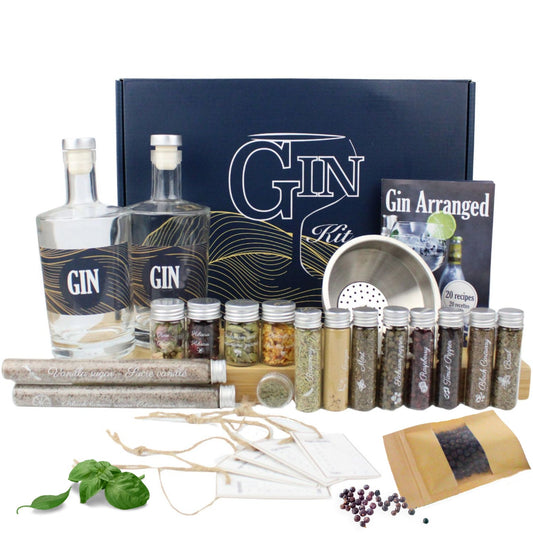
Spices add complexity and depth to infused rum. Depending on the ingredients you choose, they can bring either subtle nuances or much more pronounced flavours. At Louise & Gaston, we offer a Spice Discovery Kit for Personalised Rum designed to give your creations even more character. To help you get started, here are some of the most popular spices for homemade infused rum.
-
Vanilla
Vanilla brings smooth, sweet notes to rum and pairs well with a wide variety of fruits. A single vanilla pod split lengthways is often enough to release plenty of aroma, which can continue to deepen during a longer maceration.
-
Cinnamon
Cinnamon is appreciated for its warm, spicy character and can give rum extra depth. It pairs particularly well with fruits such as pear, apple or banana. You can also find a cinnamon vial on our website for preparing your infused rum. A small amount is usually enough to allow the flavour to develop gradually and remain balanced.
-
Ginger
Ginger, like mint, can add freshness to rum, but with a noticeably spicier kick. It works particularly well with tangy fruits such as pineapple or lemon and can bring more intensity to the drink. If you enjoy stronger flavours, you can use a little more ginger or add a small amount of bird’s eye chilli to the blend.
-
Nutmeg
Nutmeg, much like cinnamon, offers warm aromas with a slightly sweet edge. It can give rum subtle extra depth and pairs especially well with fruits such as pear or banana. Because its flavour is quite powerful, however, nutmeg is best used sparingly.
-
Star anise
Star anise adds distinctive aniseed notes with a slightly sweet character. It pairs particularly well with citrus fruits and can create a richly aromatic blend. Depending on the intensity you want, one or two stars are usually enough to flavour the rum.
Tips for successful maceration
-
Choosing the rum: the quality of the rum influences the overall flavour of the blend. You can learn how to choose the right rum for making infused rum according to your preferences. A rum with a slightly higher alcohol strength can also help limit excessive dilution from the ingredients.
-
Proportions: as a general starting point, you can use a similar volume of fruit to rum. Spices, however, should be added more sparingly so that they do not overpower the fruit aromas.
-
Maceration time: patience is key when making infused rum. Depending on the ingredients, the process can take anywhere from a few weeks to several months. Ingredients such as vanilla often continue to develop over a longer period.
-
Sweetening: adding sugar is entirely optional and depends on your personal taste. If you prefer a softer, sweeter infused rum, you can also use honey or natural syrups.
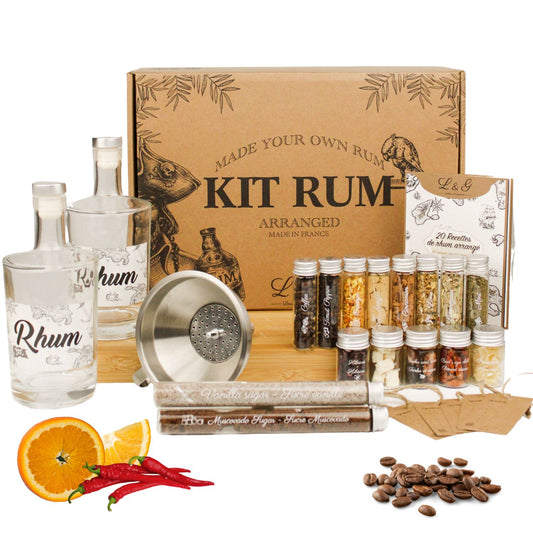
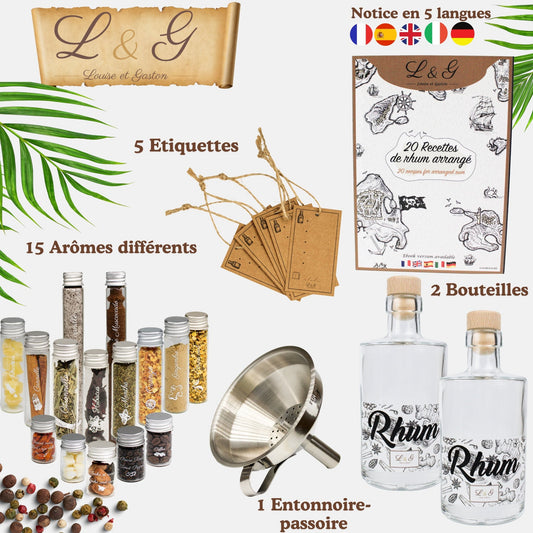
If you have never made infused rum before and would like to start experimenting, our Infused Rum Preparation & Infusion Kit is designed to help you explore different flavour combinations at home. It contains everything you need to begin creating your own personalised rum.