
Gin is an incredibly versatile spirit, with flavours ranging from classic and juniper-forward to floral, spicy, fruity or citrusy. Contrary to popular belief, not all gins taste the same. Whether you prefer fresh citrus notes, delicate floral aromas or bold spices, there is a style of gin to suit almost every palate. You can even take things a step further by creating your own aromatic combinations and cocktails at home. So, how do you choose the gin that suits you best? In this guide, we explore the main gin styles and flavour profiles to help you find your favourite.
How is gin made?
Before looking at the different types of gin, it is useful to understand the basics. Modern gin developed historically from Dutch genever and is defined above all by its distinctive juniper character. Gin is made by flavouring an alcoholic base with juniper berries and, in many cases, other botanicals such as coriander, citrus peel, herbs or spices. Depending on the production method and the botanicals used, the result can offer very different flavour profiles. This variety is exactly what makes choosing a gin so interesting.
The different types of gin
Gin is far from being a single style of spirit. Different categories vary in terms of production, sweetness, strength and flavour. Some of the best-known styles include:
-
London Dry Gin: usually dry and distinctly juniper-led, often with citrus and spice notes. This legally defined category follows strict production rules and is particularly well suited to classic cocktails.
-
Plymouth Gin: a protected geographical style produced in Plymouth, often described as slightly softer, earthier and more rounded than a typical London Dry.
-
Old Tom Gin: traditionally sweeter and rounder than London Dry Gin. This style was especially popular in the 18th and 19th centuries and works beautifully in classics such as the Tom Collins.
There are also other gin styles and related spirits that offer more distinctive flavour experiences:
-
Genever: the historical predecessor of modern gin, generally maltier and fuller-bodied. Some versions can also be aged in barrels.
-
Navy Strength Gin: a particularly strong style, typically bottled at around 57% ABV, with an intense aromatic profile.
-
New Western Gin: a modern style in which juniper is less dominant, allowing botanicals such as flowers, herbs or citrus fruits to take centre stage.
-
Sloe Gin: technically a gin-based liqueur made with sloes and sugar, resulting in a fruity, sweet and richly flavoured drink.
-
Flavoured Gin: gin in which additional fruits, spices or other flavourings play a more prominent role.
-
Pink Gin: a broad category of pink-coloured gins, often flavoured with red berries or other botanicals. Sweetness and flavour can vary considerably from one bottle to another.
-
Homemade gin-style infusion: a neutral spirit infused with juniper and other botanicals, allowing you to create a flavour profile that reflects your own preferences.
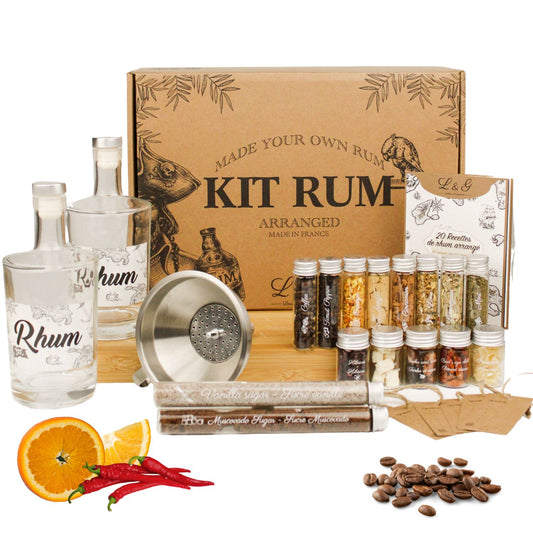
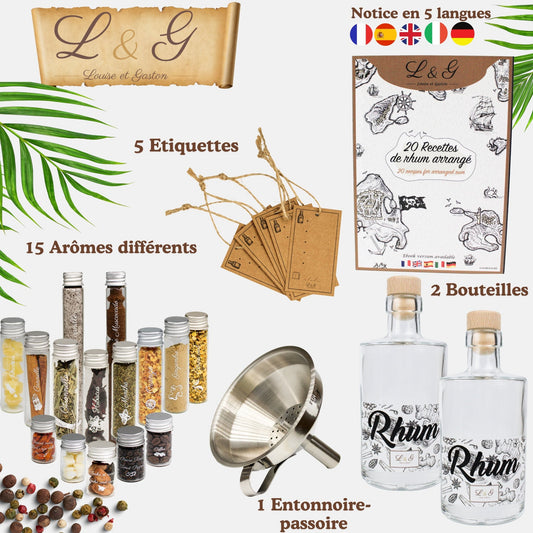
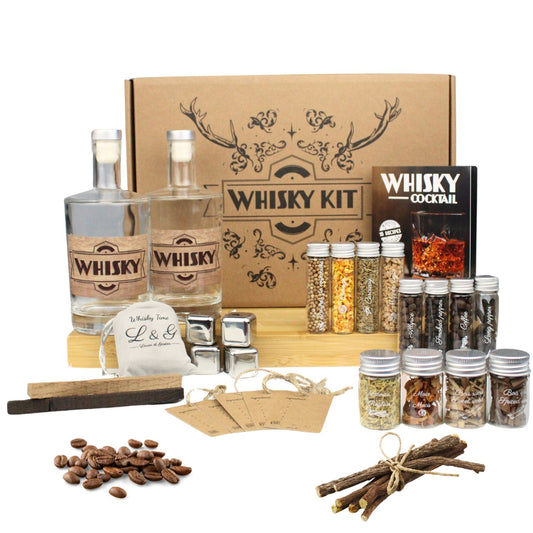
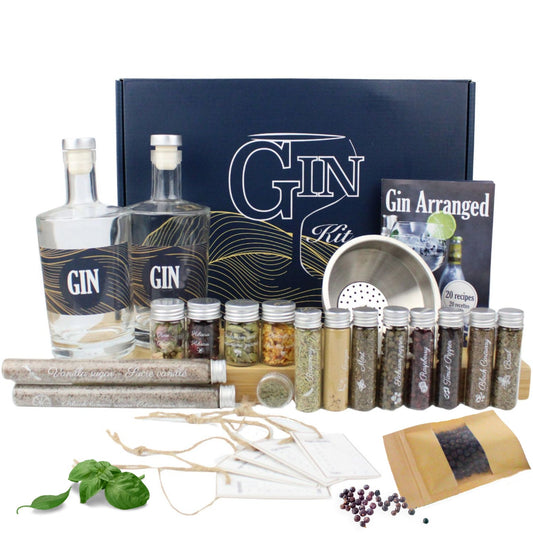
Each style can bring out different nuances, whether served neat or used in cocktails. If you would like to experiment at home, our Gin Spice Discovery Kit lets you explore different botanicals and add a personal touch to your spirit.
The main gin flavour profiles
Choosing the right gin also means choosing the right flavour profile. This refers to the aromas and flavours that stand out most clearly, whether you are tasting the gin neat or using it in a cocktail. The main profiles include:
-
Classic or dry gin: dominated by juniper, often with piney, citrusy and slightly bitter notes. Ideal for traditional cocktails such as a Gin & Tonic or Dry Martini. London Dry Gin is the classic example.
-
Floral gin: characterised by delicate flower notes such as rose, lavender or violet. A great choice for elegant, lighter cocktails.
-
Spiced gin: botanicals such as cardamom, pepper, cinnamon or coriander bring warmth and complexity. Ideal for cocktails with plenty of character.
-
Citrus gin: fresh notes of orange, lemon, lime or grapefruit give the gin a particularly lively personality. Perfect for refreshing drinks.
-
Soft and slightly sweet gin: rounder and smoother in flavour, sometimes with fruity notes. Old Tom Gin is a classic example of this style.
-
Herbal gin: herbs such as rosemary, basil or thyme can create a particularly aromatic or Mediterranean-inspired profile. Ideal for more creative cocktails.
-
Fruity gin: berries, citrus fruits or tropical fruits bring pronounced fruity notes and work especially well in summer cocktails.
-
Woody or barrel-aged gin: ageing in wood can bring out notes of vanilla, spice, caramel and oak. These gins can be enjoyed neat or used in richer, more characterful cocktails.
-
DIY gin-style infusion: by choosing your own botanicals, you can create a completely personalised aromatic profile.
Want to explore even more sides of gin? At Louise & Gaston, we also offer botanical vials for the Gin Kit, allowing you to experiment with a wide range of flavour combinations.
Which gin best matches your taste?
Now that you know the main gin styles and flavour profiles, you can narrow down your choice according to your personal preferences:
-
If you prefer fresh and zesty flavours: choose a citrus-forward gin with notes of lime, lemon, orange or grapefruit.
-
If you enjoy rounder and slightly sweeter flavours: an Old Tom Gin or a fruit-forward gin may be an excellent choice.
-
If you like spicy and complex aromas: look for a gin with pronounced notes of cardamom, pepper, coriander or other warming spices.
-
If you prefer delicate floral aromas: a floral gin with blossom and herbal notes can offer a particularly elegant tasting experience.
Create your own gin-style infusion at home
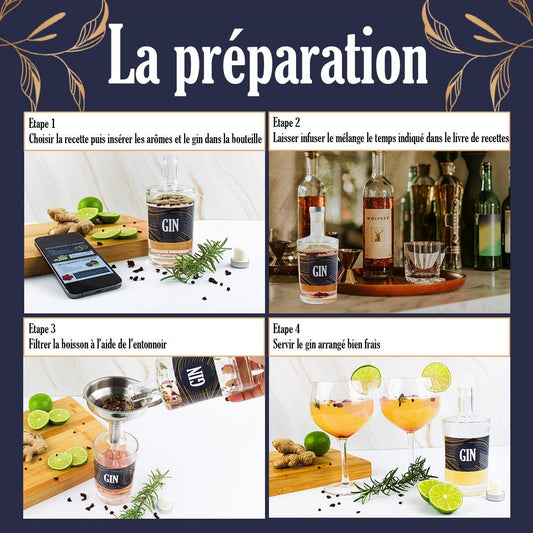
Want to get creative? Using a neutral spirit and a selection of botanicals, you can make your own personalised gin-style infusion at home and tailor its flavour exactly to your tastes. Here is how:
-
Choose a neutral spirit: a good-quality, relatively neutral vodka works well as the base for a DIY botanical infusion.
-
Choose your botanicals: juniper berries provide the characteristic foundation. You can then add citrus peel, cardamom, coriander, lavender, herbs or other ingredients according to your taste, such as those found in our Personalised Gin-Making Kit.
-
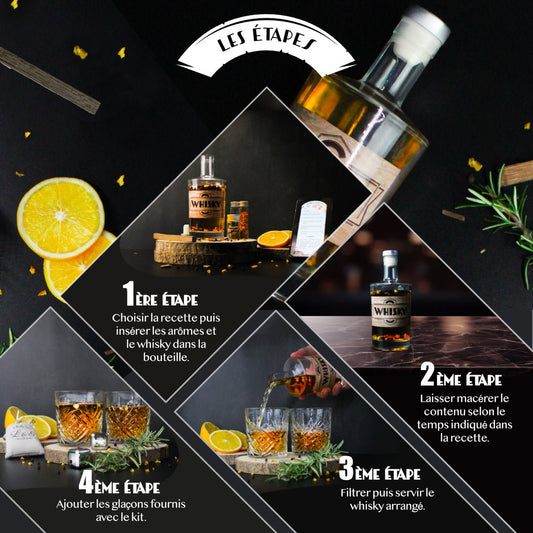
Prepare the infusion: add the spirit and your chosen botanicals to a clean glass jar. Leave to infuse for around 24 to 48 hours depending on the intensity you want, tasting occasionally so that no single flavour becomes too dominant.
-
Filter and bottle: once the infusion has reached the flavour you want, strain it through a fine sieve or coffee filter and pour it into a clean bottle.
Explore more recipes and inspiration on our website to discover the world of DIY homemade drinks. With Louise & Gaston, you can experiment with different ingredients, create unique combinations and personalise your spirits according to your own tastes.