
Lemongrass is a plant that has been used for centuries and is known around the world for its distinctive fragrance. This aromatic herb stands out for its fresh, citrusy scent, a flavour highly prized in cooking. Beyond food, lemongrass also has a place in traditional practices and aromatic herbal drinks. Its unique flavour makes it an essential aromatic herb in many cultures. In this guide, we take you around the world to discover the many ways lemongrass is used.
Lemongrass in cooking: a versatile aromatic herb
Lemongrass in cooking is particularly common across South and Southeast Asia. In this part of the world, the plant is a key ingredient in many dishes, bringing a fresh citrus note to traditional recipes. Here are a few examples of how lemongrass is used in different cuisines:
-
In Thai cuisine, both the stalk and sometimes the lemongrass leaves are used in curries, soups and marinades. Their fresh citrus flavour pairs particularly well with spicy and aromatic ingredients.
-
In Vietnam, lemongrass is often used to flavour grilled meats, marinades and slow-cooked chicken dishes.
-
In India, it is used in herbal infusions and a variety of traditional preparations.
-
In different parts of Africa, lemongrass is also enjoyed in drinks and various dishes for its refreshing aroma.
Lemongrass is remarkably versatile and has also found its way into modern Western cooking. It can be used in fish marinades, fruity desserts, creams and sorbets. Its delicate citrus flavour pairs beautifully with citrus fruits, ginger and coconut milk. The lemongrass plant is therefore an excellent ingredient for anyone looking to add an exotic and aromatic touch to their recipes.
Lemongrass in traditional practices
Lemongrass has traditionally been used for more than cooking in many parts of the world. Depending on the culture, it can be found in herbal infusions, decoctions or in the form of essential oil. These uses are often based on long-standing traditions and should not be confused with medically proven health effects.
Some traditional uses of lemongrass:
-
After meals: lemongrass is traditionally enjoyed as an aromatic herbal infusion in many cultures.
-
For a relaxing ritual: its fresh aroma makes lemongrass a popular ingredient in warm evening herbal teas.
-
As an essential oil: lemongrass essential oil is used in fragranced products and various traditional applications. Essential oils should always be used according to their intended directions.
-
For its refreshing fragrance: its intense citrus scent is often appreciated in scented blends and personal-care products.
-
For outdoor use: products containing certain lemongrass- or citronella-derived fragrances are traditionally associated with mosquito-repellent products. Their effectiveness depends on the specific formulation and product.
Several citrus-scented herbs are popular in evening infusions. However, lemongrass should not be confused with lemon verbena: they are different plants with their own distinct flavours and aromas.
Lemongrass in drinks: from tradition to modern mixology
Lemongrass is not only a culinary ingredient: it is also used as the base for a wide range of aromatic drinks.
-
Lemongrass infusions are popular across parts of Africa and Asia. They can be enjoyed hot or chilled and are often combined with ginger or mint.
-
Refreshing flavoured drinks made with lemongrass are appreciated for their bright, citrusy taste and can be combined with fruits or other herbs.
-
Modern cocktails use lemongrass as a syrup, infusion or aromatic garnish to bring an original, fragrant twist to the glass.
This is where lemongrass reveals its more festive and convivial side, especially when used in infused rum.
Lemongrass in infused rum: a standout ingredient in our rum kit
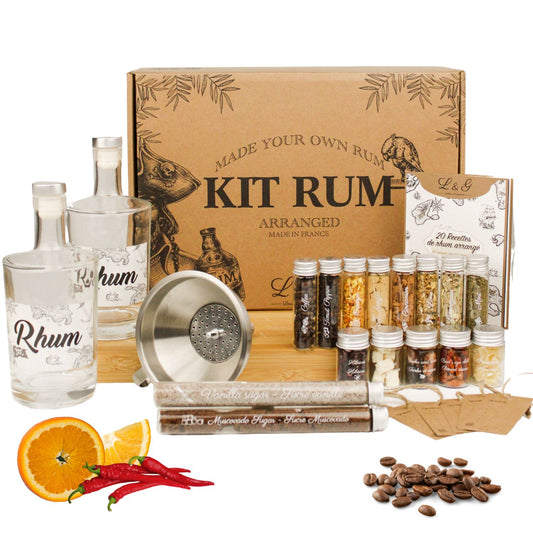
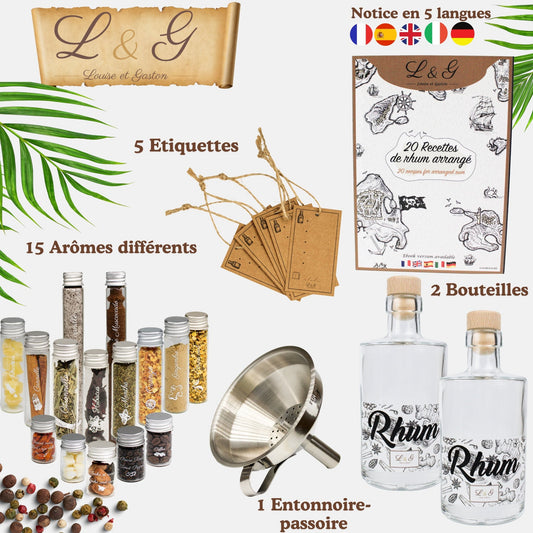
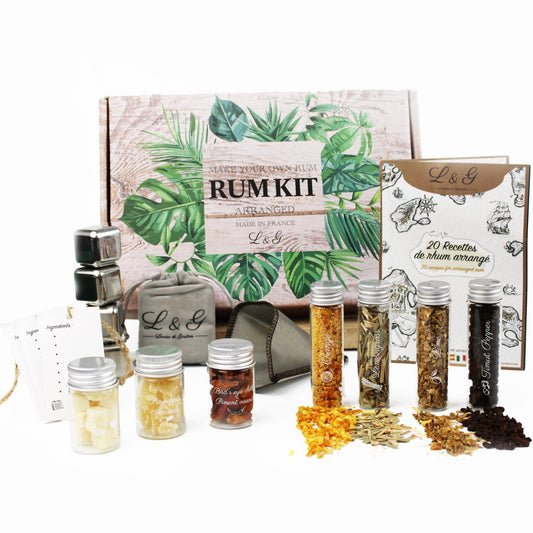
At Louis & Gaston, we offer an infused rum kit that lets you create your own personalised homemade drink. Lemongrass can play a particularly interesting role in the aromatic blend.
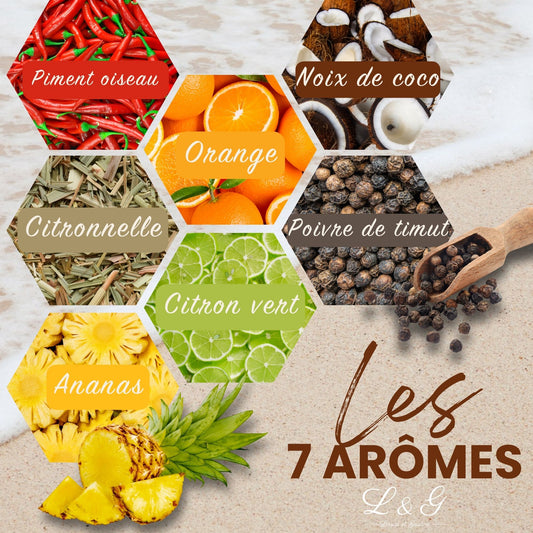
Why? Its fresh, citrusy character creates an appealing contrast with the warmth and richness of rum. It pairs beautifully with ingredients such as:
-
spices such as cinnamon, ginger and cardamom,
-
citrus fruits such as orange, lime and grapefruit,
-
dried or tropical fruits.
To explore even more combinations, take a look at our article on the best fruits and spices for successful infused rum.
Why use lemongrass in infused rum?
-
It brings a fresh, citrusy note that can balance the richer flavours of the rum.
-
It can enhance and complement the other ingredients in the blend.
-
It gives the drink an exotic and refined character.
Our rum kit contains the essentials for creating your own aromatic recipe at home, including carefully selected spices, practical accessories and thoughtfully chosen flavours for a homemade tasting experience full of discovery.
Lemongrass: a versatile ingredient to discover and share
From cooking and traditional preparations to herbal infusions and cocktails, lemongrass is an exceptionally versatile aromatic herb. Its fresh fragrance evokes faraway flavours, culinary discovery and moments shared around food and drink.
With our infused rum gift set, you can rediscover lemongrass and other carefully selected ingredients from a completely different perspective. The set gives you everything you need to prepare your own aromatic creation at home. Whether for an original aperitif, a thoughtful gift or a special moment to enjoy together, lemongrass adds a fresh and surprising dimension to the glass.
Lemongrass is therefore much more than a simple aromatic herb: it is an invitation to explore flavours, share experiences and discover something new. At Louis & Gaston, we invite you to enjoy its aromas in your dishes, your cups… and, of course, your homemade infused rum.
.