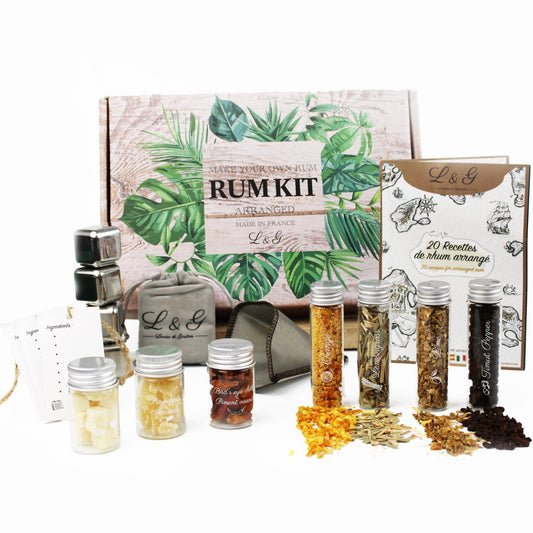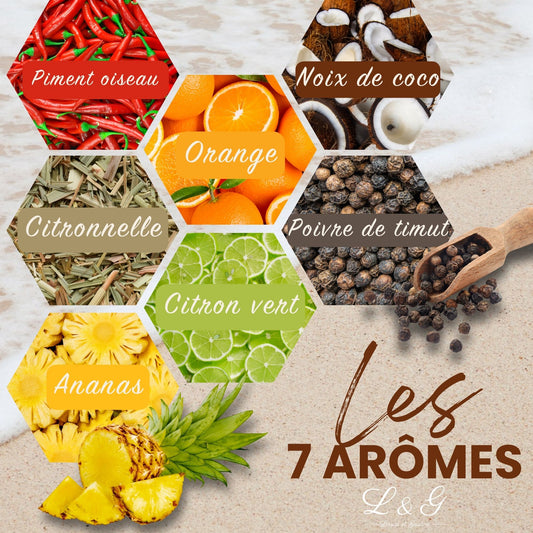

Gin has once again become a true cocktail classic in recent years. At the same time, more people are enjoying the idea of flavouring an existing gin at home with botanicals, spices and fruit – a creative experience that we particularly value at Louise & Gaston. Whether you are enjoying a classic gin or your own flavoured creation, tasting is above all a sensory experience. The glass and the ice you choose can make a real difference. In this guide, we take a look at the accessories that can help bring out the aromas of your gin.
Why choosing the right glass matters when tasting gin
The shape of the glass affects how aromas gather, how quickly they disperse and how intensely they reach the nose. A narrower glass can concentrate aromas more effectively, while a larger glass provides more room for ice, tonic and garnishes. If you want to taste gin like an expert, it is worth choosing the glass according to how you intend to drink it. Here are the main types of gin glass to know.
The tumbler or Old Fashioned glass
A tumbler, also known as an Old Fashioned glass, is a short, wide glass that works particularly well for gin served over ice or in short cocktails. It offers plenty of room for large ice cubes and is comfortable to hold. For focused neat gin tasting, however, a smaller tulip-shaped glass is usually a better choice because it directs aromas more effectively towards the nose.
The balloon or Copa glass
In the Spanish gin and tonic tradition, the balloon glass, or Copa, is particularly popular. Its large bowl and long stem provide plenty of space for ice, tonic water and garnishes such as citrus peel, herbs or spices. The generous bowl also makes it easier to appreciate the aromas of the drink. Holding the glass by the stem helps prevent your hand from warming the contents unnecessarily.
The Highball glass
The Highball glass is tall, relatively narrow and has a flat base. It is especially well suited to long drinks containing a larger proportion of tonic water or soda. Its slim shape reduces the exposed surface area of the drink and can help preserve carbonation for a little longer. It also provides an elegant presentation and plenty of room for ice.
The tulip glass
For tasting gin neat, a tulip-shaped glass is particularly useful. Its narrowing bowl concentrates aromas and makes it easier to identify juniper, citrus, spices, herbs or floral notes. Start with your nose slightly away from the glass, as a high alcohol content can otherwise overpower more delicate aromas. Then move closer gradually to explore the different notes step by step.
What role do ice cubes play in gin?
Ice does more than simply chill the drink. As it melts, it gradually dilutes the gin or cocktail and changes the way its aromas are perceived. Temperature itself also matters: very cold drinks can feel particularly refreshing, but lower temperatures may temporarily mute some of the more delicate aromas and flavours.
The size and shape of the ice cubes
Large ice cubes or ice spheres work particularly well in gin and tonic or gin served over ice. Compared with many smaller cubes, they have less surface area relative to their volume and therefore tend to melt more slowly under similar conditions. This helps chill the drink without diluting it too quickly.
The quality of the water
The water used to make your ice can also affect the final taste. If your tap water has a noticeable flavour, filtered or neutral-tasting water can be a better option. This helps prevent unwanted flavours from entering the gin as the ice melts.
Bring out the aromas of your gin with the right accessories
Flavouring a gin with botanicals is a creative way to build your own aromatic combinations. To make the tasting experience just as enjoyable, it is worth paying attention to the glassware and a few practical bar accessories as well.
Louise & Gaston flavouring kits
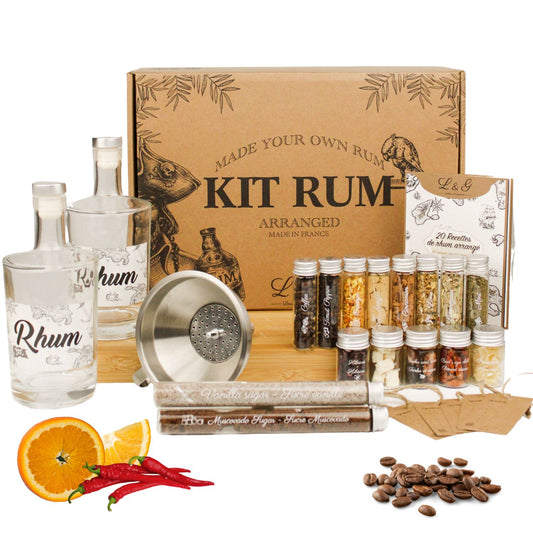
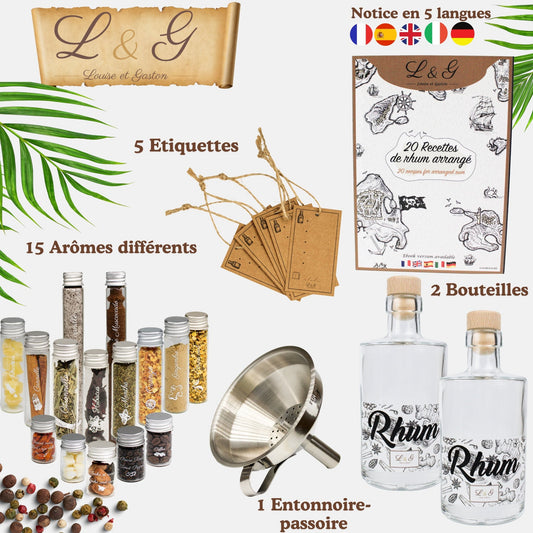
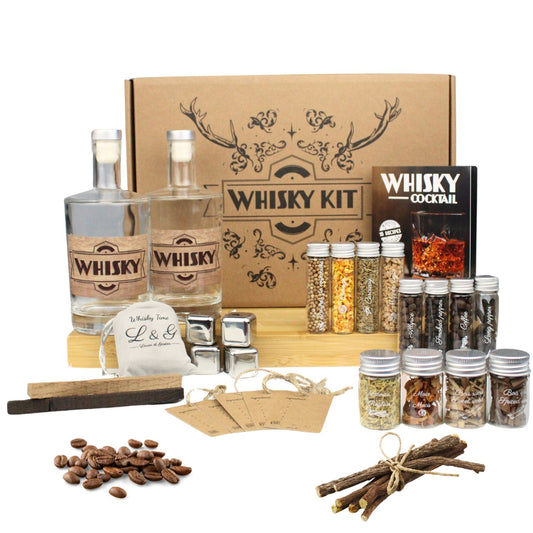
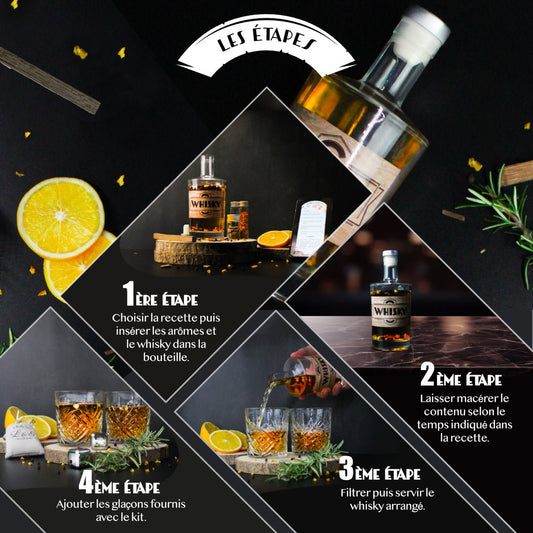
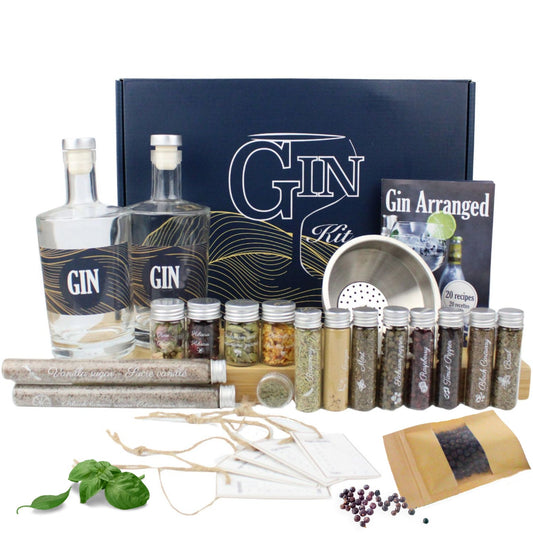
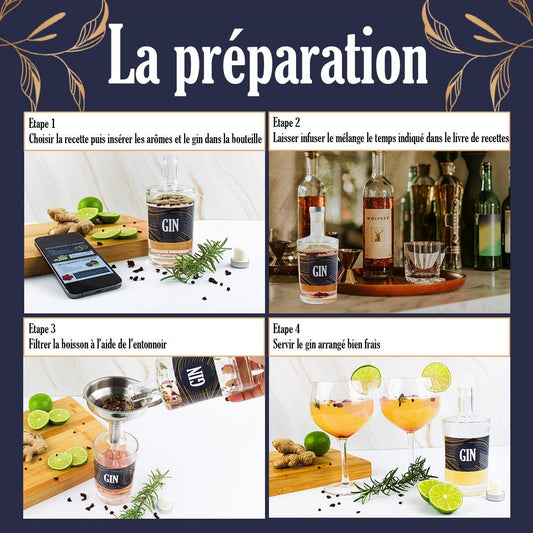
With the DIY kits from Louise & Gaston, you can personalise an existing gin with different spices and botanicals. Our Personalised Gin Spice Discovery Kit lets you explore different aromas and create your own combinations. Depending on the kit, you will find selected ingredients along with inspiration and guidance for preparation. A gin kit also makes an original gift for anyone who enjoys discovering flavours and experimenting at home.
Useful accessories for gin and tonic
-
Jigger: useful for measuring gin, tonic and other ingredients accurately.
-
Bar spoon: ideal for gently stirring a gin and tonic or cocktail. When using carbonated mixers, stir briefly and carefully to preserve the bubbles as much as possible.
-
Ice tongs: a practical and hygienic way to place ice cubes into the glass.
Experiment and discover your own gin style
Gin offers countless ways to experiment with flavour. Citrus fruit, juniper berries, herbs, spices and floral botanicals can all create very different aromatic profiles. With the Louise & Gaston gin infusion kits, you can try different combinations and discover which aromas best suit your personal taste.
Your choice of glass and ice can also change the experience. A tulip glass is particularly well suited to focused neat tasting, while Copa and Highball glasses are excellent choices for gin and tonic and other long drinks. Large ice cubes provide effective chilling while generally diluting the drink more slowly. Experiment with different options and see how the glass, temperature, botanicals and garnishes influence the character of your gin.