
Bison grass (Hierochloe odorata) has long fascinated lovers of spirits, creative cooking and unusual botanicals. Best known for its distinctive, slightly vanilla-like fragrance and its close association with certain Polish vodkas, this aromatic grass has much more to offer beyond that famous drink.
Its aroma, traditional uses and culinary possibilities make bison grass an intriguing botanical for homemade drinks and creative recipes. In this article, discover what makes this unusual plant so distinctive and how its characteristic flavour can be used in spirits, desserts and other preparations.
What is bison grass?
Bison grass is a perennial grass found naturally in cooler regions of Europe and North America. Also known as sweet grass in some contexts, it has long been associated with natural grasslands and traditional uses in different cultures.
What makes it particularly distinctive is its natural coumarin content, an aromatic plant compound. This gives it a soft fragrance reminiscent of vanilla, freshly cut hay and sometimes almonds. It is precisely this aromatic signature that makes bison grass so interesting for flavoured drinks and unusual recipes.
Bison grass: traditional uses and aromatic properties
Bison grass is mainly appreciated for its powerful aroma. However, it should be used carefully and sparingly, particularly because the plant naturally contains coumarin.
-
A warm and distinctive fragrance: the natural coumarin in the plant creates aromas reminiscent of fresh hay, vanilla and almonds, giving drinks and dishes a soft, comforting character.
-
Mainly used for flavouring: bison grass is generally not eaten like an ordinary culinary herb. Instead, small amounts are used for infusing and flavouring. Always choose bison grass that is specifically intended for food or drink use and follow the recommended quantities.
-
A plant with a long tradition: aromatic sweet grasses have traditionally been used in several cultures, particularly for their distinctive fragrance. Today, bison grass is especially appreciated for its sensory and culinary qualities.
Bison grass and spirits: a legendary pairing
The connection between bison grass and spirits is particularly well known and has helped introduce this unusual botanical to drink enthusiasts around the world.
Bison grass in vodka
It is almost impossible to talk about this plant without mentioning the famous Polish bison grass vodka. It is known for its soft, herbal and slightly vanilla-like profile. Some bottles also contain a decorative blade of grass, which has become closely associated with this style of spirit.
What about bison grass and gin?
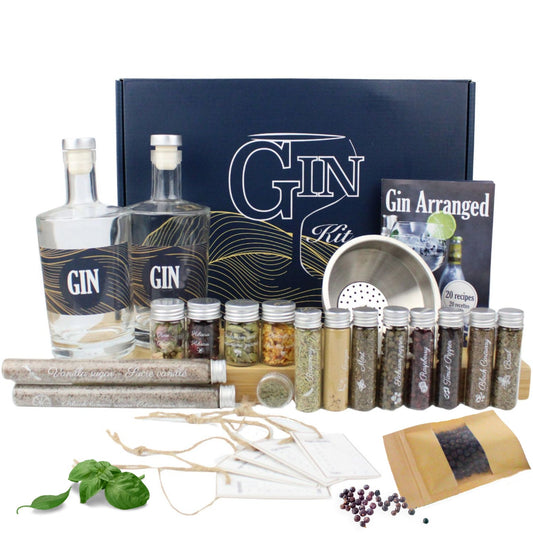
Less well known, but equally interesting, is the use of bison grass to flavour a gin-style infusion. In the Louise & Gaston Gin Kit, it complements classic botanicals such as juniper, coriander and citrus peel by adding:
-
a soft, lightly vanilla-like aroma,
-
a fragrance reminiscent of vanilla and freshly cut hay,
-
a fresh, herbal note,
-
and an elegant aromatic character.
Used sparingly, bison grass is an excellent way to personalise a homemade gin-style infusion with an unusual, gentle aroma without overpowering juniper and the other botanicals.
What does bison grass taste like?
The flavour of bison grass closely reflects its characteristic fragrance and can be described through several aromatic notes:
-
soft and slightly vanilla-like,
-
herbal and grassy with a fresh character,
-
with hints of almond and freshly cut hay.
It is precisely this aromatic complexity that makes the plant such an interesting botanical for creative cooking and unusual homemade drinks.
Bison grass in cooking: lesser-known ways to use it
Bison grass can also be used as a culinary flavouring. Rather than eating it directly like a conventional herb, it is generally used sparingly as an infusion so that its distinctive aroma can be transferred to liquids or dishes. Always use food-grade bison grass and follow the recommended quantity.
Here are a few ideas to inspire you:
-
In desserts
Its soft vanilla and hay-like notes can pair particularly well with:
-
Crème brûlée or vanilla desserts.
-
Delicately infused pastry cream.
-
Rice pudding or homemade biscuits.
A very small amount can be enough to give an entire dessert a noticeable aromatic twist.
-
In infusions
Food-grade bison grass can be used in small quantities to flavour hot water, milk or plant-based drinks. The result is an unusual beverage with soft, grassy and lightly vanilla-like notes.
-
In homemade cocktails
Bison grass pairs particularly well with gin. Citrus fruits can highlight its freshness, while a touch of honey can complement its softer notes. For more inspiration, discover how to flavour homemade gin with herbs and spices.
-
In savoury dishes
Used very sparingly, bison grass can also flavour light sauces or broths, adding a subtle herbal and vanilla-like note.
How to use bison grass in the Louise & Gaston Gin Kit
In the Gin Kit, bison grass is included as a botanical for aromatic experimentation. Because its flavour can be quite intense and it naturally contains coumarin, it should always be used sparingly and according to the instructions provided.
-
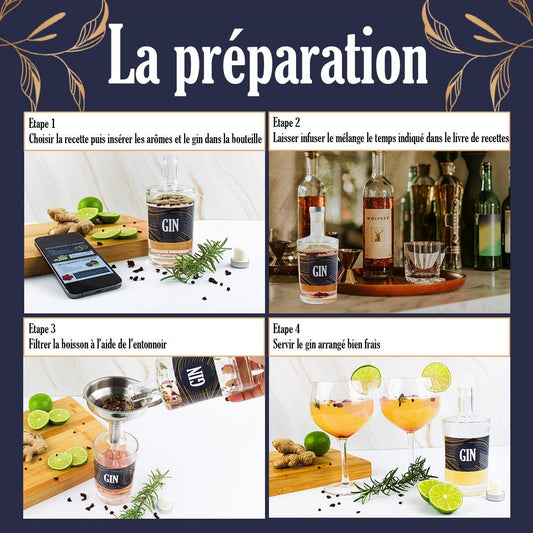
Start by infusing the juniper berries and the other main botanicals.
-
Then add the recommended amount of bison grass so that its aroma does not overpower the other ingredients.
-
Taste the infusion regularly rather than relying only on a fixed infusion time.
-
Strain out the botanicals once the desired intensity has been reached.
The result can be a delicate, herbal and unusually aromatic gin-style infusion. With the Gin Kit, you can discover bison grass alongside other botanicals and create a flavour combination that suits your own preferences.
Conclusion
Sitting at the crossroads of botany, fragrance and gastronomy, bison grass is an unusual botanical that remains relatively little known in everyday cooking. Its soft, vanilla-like aroma, herbal character and versatility make it an intriguing ingredient for spirits, desserts and creative infusions.
Whether you use it to flavour a spirit, add an original note to a dessert or create a personalised gin-style infusion, bison grass opens the door to some truly distinctive flavour combinations. With the Louise & Gaston Gin Kit, you can explore this unusual botanical alongside other spices and plants and create your own aromatic combinations at home.