
Cardamom is one of those spices you recognise almost instantly: intensely fragrant, fresh, lightly citrusy and sometimes even slightly minty. It brings both softness and character to a wide variety of sweet and savoury recipes.
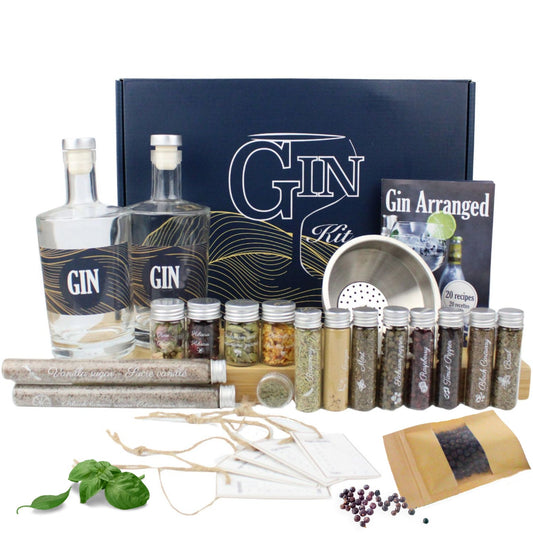
Used for centuries in cooking and traditional practices, cardamom has also found a new place in craft-inspired drinks. This is especially true when flavouring homemade gin, as in our Louise & Gaston Gin Kit, where it can help create a balanced aromatic profile. In this article, we explore cardamom’s distinctive qualities, traditional uses, unique flavour, main varieties and the best ways to incorporate it into your recipes.
What is cardamom?
Green cardamom comes from the seeds found inside the small green pods of Elettaria cardamomum. Native to South Asia, the plant belongs to the same botanical family as ginger. Two main types of cardamom are commonly found:
-
Green cardamom, which is highly aromatic, fresh, citrusy and slightly camphor-like.
-
Black cardamom, which comes from related plant species and has a smokier, earthier and more spicy flavour.
At Louise & Gaston, we use green cardamom, which is particularly well suited to flavouring drinks and everyday recipes.
Cardamom: traditional uses and interesting properties
Cardamom is valued for more than its flavour. It has a long culinary and traditional history and contains a range of natural plant compounds that continue to be studied.
-
Traditionally enjoyed after meals
Cardamom has long been used after meals in a number of culinary and herbal traditions. Its fresh, spicy aroma makes it particularly enjoyable in teas and infusions as well as desserts. However, it should not be considered a treatment for digestive problems or other medical conditions.
-
A natural source of plant compounds
Cardamom contains a variety of plant compounds, including substances with antioxidant properties that have been studied in laboratory research. This does not, however, automatically translate into specific proven health benefits in humans.
-
Aromatic essential oils
Cardamom seeds contain essential oils whose components have also been studied for potential antimicrobial properties. In some cultures, cardamom pods are traditionally chewed, particularly for their fresh aroma in the mouth.
-
A distinctive feel-good aroma
Cardamom is often appreciated for its fresh yet warming fragrance. This contrast is part of what makes it so appealing in aromatic drinks, desserts and craft-style gin creations.
What does cardamom taste like?
Cardamom has a truly distinctive aromatic signature:
-
It tastes fresh, with a subtle minty edge.
-
It has citrusy notes with a lightly floral finish.
-
A slightly camphor-like note gives it extra character.
-
Its fragrance is intense and highly expressive.
Just a few seeds can completely transform a dish or cocktail, so cardamom is best used sparingly. If you want to combine it with gin, it also helps to know how to flavour homemade gin with spices and herbs.

How to use cardamom in cooking
-
Whole pods or seeds
Lightly split or gently crushed cardamom pods release their aroma gradually. They work particularly well in:
-
Curries and fragrant rice dishes.
-
Compotes and homemade infusions.
-
Ground cardamom
Ground cardamom releases its flavour more quickly and intensely. It pairs beautifully with:
-
Cakes, pastries and homemade biscuits.
-
Hot drinks such as tea, coffee and hot chocolate.
-
Meat marinades.
-
In savoury recipes
Cardamom can add a subtle lift to many savoury dishes:
-
Poultry and white fish.
-
Mild vegetables such as carrots and sweet potatoes.
-
Middle Eastern and Asian-inspired soups.
-
In sweet recipes
Cardamom is especially popular in:
-
Rice pudding.
-
Cardamom and cinnamon buns.
-
Fruit desserts with pear or citrus.
-
Creams and delicate desserts.
Cardamom and gin: a beautifully aromatic pairing
Cardamom is a popular botanical in many craft-style gins. Its fresh, citrusy and spicy notes complement juniper berries and citrus particularly well.
In our Gin Kit, cardamom can play an important role in balancing the overall aromatic profile:
-
It adds depth and aromatic structure.
-
It enhances citrus notes without overpowering them.
-
It brings an elegant freshness that works particularly well in cocktails.
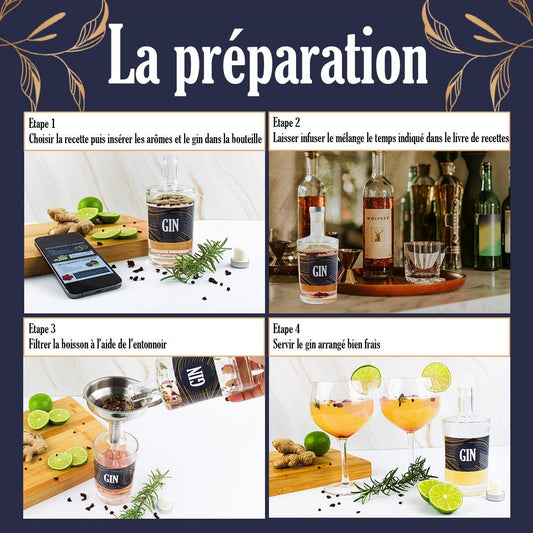
Just a few seeds are enough to create a complex and balanced gin-style infusion. If you would like to experiment at home, discover our Homemade Gin Kit. It includes a selection of botanicals so you can create your own personalised flavour combinations.
Easy recipe ideas with cardamom
Here are three simple and delicious ways to use this distinctive spice at home.
-
Cardamom & vanilla latte
For a warm, fragrant drink, combine hot milk with vanilla and two lightly split cardamom pods. The result is wonderfully comforting and aromatic.
-
Roast chicken with cardamom & lemon
Cardamom gives classic roast chicken a fresh and elegantly spiced twist. Paired with lemon, it creates an aromatic combination that adds something a little different to dinner.
-
Cardamom & lime gin and tonic
With your homemade Louise & Gaston gin-style infusion, simply add one or two lightly crushed cardamom seeds and a wedge of lime. It is a simple but wonderfully aromatic drink with plenty of character.
Conclusion
Cardamom is a precious, refined and intensely aromatic spice with a truly distinctive flavour profile. Its long history of traditional use and its versatility make it a fascinating ingredient for countless recipes. In both cooking and craft-inspired drinks, it brings an unmistakable aromatic signature.
If you would like to explore its different aromatic nuances for yourself, our Personalised Gin Spice Discovery Kit is a perfect invitation to experiment, get creative and discover new flavour combinations.