
Gin is much more than just a cocktail base. Its aromatic richness and wide range of botanicals make it one of the most versatile spirits to explore. Its history is closely linked to Dutch genever before gin developed into its own distinctive style, particularly in England. Just like wine, gin is best appreciated when you take the time to observe, smell and taste it carefully. Louise & Gaston shares a few simple tips to help you taste gin more attentively and better understand its character.
Step 1: Choose a good-quality gin
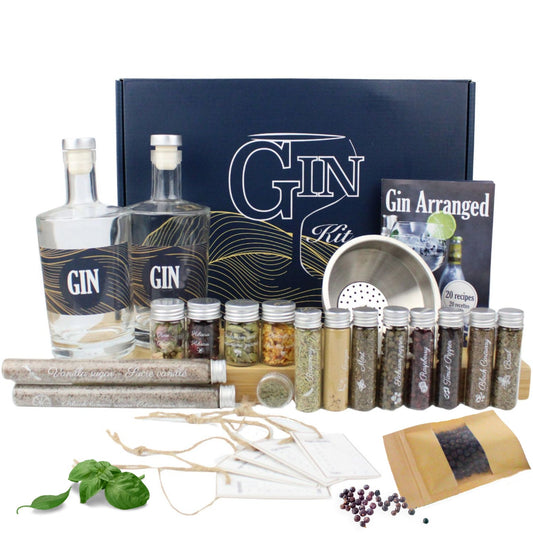
A successful gin tasting starts with choosing a bottle whose flavour profile interests you. There are many styles to explore. One of the best known is London Dry Gin, which follows specific production rules and is often characterised by pronounced juniper and citrus notes. You can also find modern gins featuring herbs, spices, flowers and more unusual botanicals. A well-balanced gin should allow juniper, citrus and other botanical ingredients to complement one another rather than compete. If you would like to experiment with different combinations yourself, our Homemade Gin Kit is a great way to discover different botanicals and refine your palate.
Step 2: Use the right glass for gin tasting
The glass you choose can influence how easily you perceive the aromas. For a focused tasting, tulip-shaped tasting glasses are particularly useful. Their narrower opening helps concentrate the aromas towards the nose, making subtle notes easier to detect. Very wide glasses allow aromas to disperse more quickly. A larger glass may be ideal for a gin and tonic, while a smaller nosing or tulip glass is better suited to tasting gin neat.
Step 3: Taste the gin neat before adding ice
If you want to understand a gin properly, it is best to taste it neat before adding tonic, ice or garnishes. This makes it easier to assess its original aromatic profile. Pour around 15 to 20 ml into a tulip-shaped glass and let the spirit rest briefly. You can then divide the tasting into three stages:
-
On the nose: begin with the glass a short distance from your nose so the alcohol does not overpower the more delicate aromas. Slowly bring it closer and gently move the glass. Try to identify juniper, citrus, herbs, spices or floral notes. With practice, the differences between gins become easier to recognise.
-
On the palate: take a small sip and let the gin move around your mouth briefly before swallowing. Notice which flavours appear first and which develop after a few seconds. You can then add a little neutral tonic water and compare how the flavour profile changes.
-
On the finish: pay attention to the flavours that remain after swallowing and how long they last. The finish may feel dry, spicy, citrusy, floral or gently bitter depending on the gin.
Tip: if the gin feels too strong neat, add a few drops of water. You can also use an ice cube, although colder temperatures may temporarily mute some of the more delicate aromas.
Step 4: Experiment with complementary flavours
Gin pairs beautifully with a variety of garnishes and botanicals. The key is to choose ingredients that complement the spirit rather than completely overpowering it. Here are a few ideas:
-
Citrus fruit such as lemon, orange or grapefruit peel to bring out fresh notes.
-
Aromatic herbs such as rosemary, thyme or basil to highlight herbal flavours.
-
Berries and spices such as pink peppercorns, black pepper or cardamom to add depth and complexity.
Looking for the perfect combination? Our Personalised Gin Spice Discovery Kit from Louise & Gaston lets you compare different botanicals and create your own flavour pairings. You can also serve your gin with small savoury bites such as olives, mature cheese or smoked salmon.
Step 5: Explore classic gin cocktails
If you want to discover gin in all its variety, it is also worth trying some of the great cocktail classics:
-
Gin & Tonic: a timeless classic where both the gin and tonic water make a real difference. A relatively neutral tonic can help the gin’s botanicals stand out more clearly.
-
Negroni: a combination of gin, sweet red vermouth and Campari with a distinctive bittersweet profile.
-
Dry Martini: an elegant classic made with gin and dry vermouth that allows the gin’s aromatic profile to take centre stage.
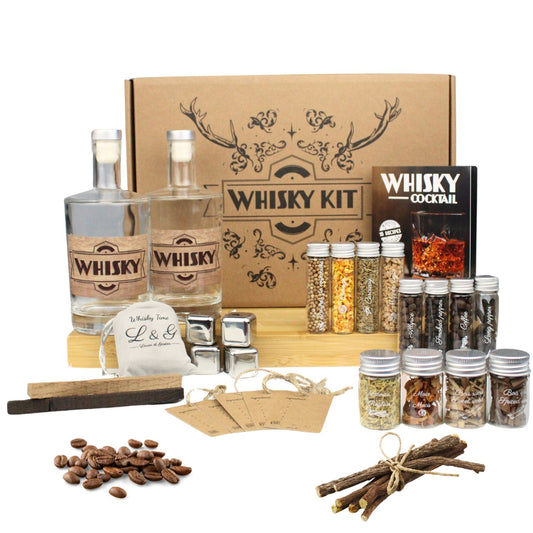
Tasting gin like an expert is really about paying attention, comparing different styles and staying curious. With a little practice, your own preferences will become much clearer. Louise & Gaston gin kits offer plenty of opportunities to experiment with different botanicals and aromas. If you would also like to explore other spirits, you can try our Infused Whisky Kit and discover new flavour combinations.