Whisky is one of the most widely enjoyed spirits in the world. Yet relatively few people know exactly how it is made. Every glass tells the story of a carefully controlled process that transforms simple grains into a complex and refined spirit. In this guide, we take you through the whisky-making process step by step, from the raw ingredients to bottling, so you can better understand what shapes the character of this iconic drink.
Step one: selecting the raw ingredients
Whisky is made from grains, and the cereals used depend largely on the type of whisky being produced and the regulations that apply to it:
-
Malted barley is the main grain used to make single malt whisky;
-
Bourbon must be made from a mash containing at least 51% corn;
-
Alternative raw materials such as buckwheat may occasionally be used for whisky-style or regionally defined spirits;
-
Rye, wheat and other grains are also used in a wide range of whisky styles.
Water is another essential ingredient in whisky production. It is used during mashing and may also be added later to adjust the spirit to bottling strength. Its composition can also influence certain stages of production. Yeast, meanwhile, converts fermentable sugars into alcohol during fermentation while also contributing a wide range of flavour compounds.
Step two: malting
For whiskies made with malted barley, the next stage is known as malting. The grain is first soaked in water and then allowed to germinate. During germination, natural enzymes are activated, which later help convert the starch stored in the grain into fermentable sugars. The germinated barley is then dried. For some whiskies, peat smoke is used during drying to introduce distinctive smoky and peaty aromas.
Traditionally, germination may take place on a malting floor, although many modern maltings now use other methods. The timing is important: germination must be stopped at the right stage so the malt retains the enzymes needed for the next steps of production.
Step three: mashing
The malted grain is milled into a coarse flour known as grist, then mixed with hot water in a mash tun. This process extracts the fermentable sugars from the grain and produces a sweet liquid known as wort. The composition and quality of the water used can form part of a distillery’s individual production process and regional identity.
Step four: fermentation
Fermentation is also an essential stage in the production of drinks such as beer and wine. The wort is transferred into large vessels known as washbacks. Yeast is then added, converting the sugars into alcohol and creating a range of aromatic compounds. The result is a beer-like liquid called wash, which commonly reaches around 6 to 10% ABV. Depending on the distillery and the flavour profile being sought, fermentation may last approximately 48 to more than 90 hours. This stage can help develop fruity, floral and spicy aromas.
Step five: distillation
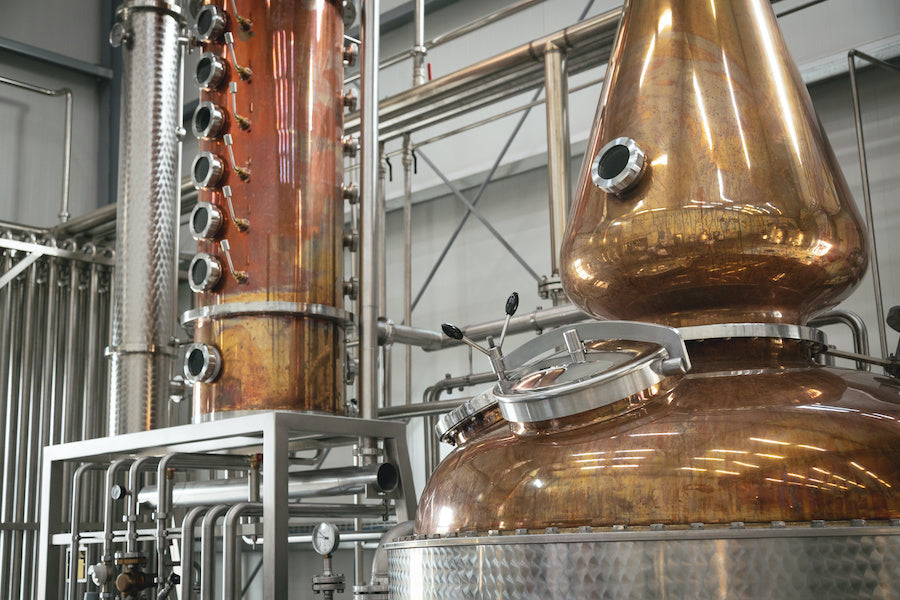
Whisky can be distilled using different types of still. Traditional copper pot stills are commonly used for malt whisky, while grain whisky is often produced continuously in column stills such as Coffey stills. For a traditionally double-distilled malt whisky, the process generally takes place in two stages:
-
The first distillation takes place in the wash still and produces a stronger spirit known as low wines.
-
The second distillation takes place in the spirit still. The spirit is further concentrated, and the desired middle portion of the distillate, known as the heart, is selected for maturation.
Step six: maturation in casks
After distillation comes one of the most important stages in whisky production: maturation. The new spirit is stored for years in wooden casks, most commonly made from oak. Scotch whisky, for example, must be matured for at least three years, although many expressions remain in cask for considerably longer.
During maturation, the spirit interacts with the wood and can develop notes of vanilla, caramel, spice, dried fruit and toasted flavours, depending on the type of cask used. A small amount of liquid also evaporates each year, a phenomenon commonly known as the angel’s share. The cask’s previous use, for example for bourbon, sherry or wine, can also have a major influence on the final aromatic profile.
Final step: blending and bottling
Before whisky finally reaches the glass, several finishing stages may take place:
-
Blending: a single malt whisky comes entirely from one distillery, although it may combine whisky from several casks and different years within that distillery. Blended whiskies, on the other hand, combine different whiskies to create a particular and often consistent flavour profile.
-
Reduction: water may be added before bottling to bring the whisky to the desired drinking strength. Some whiskies are instead bottled at cask strength.
-
Filtration: depending on the product, whisky may be filtered before bottling. Some expressions are deliberately bottled without chill filtration.
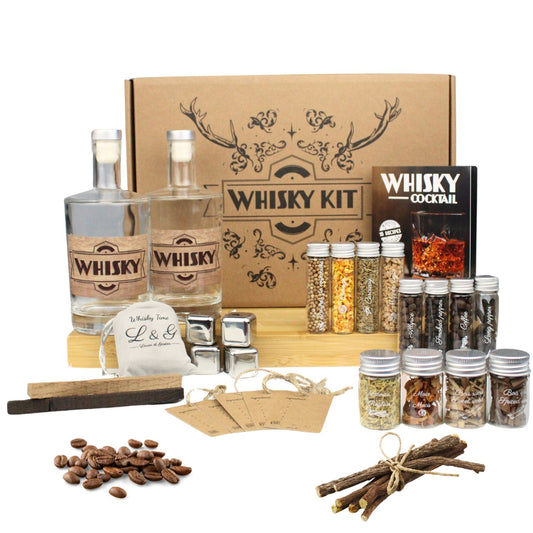
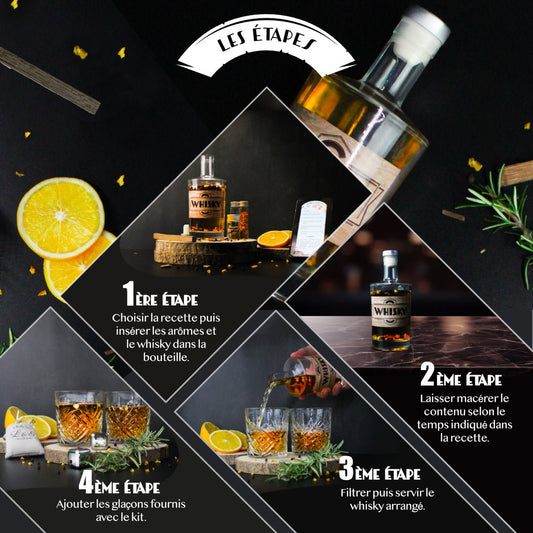
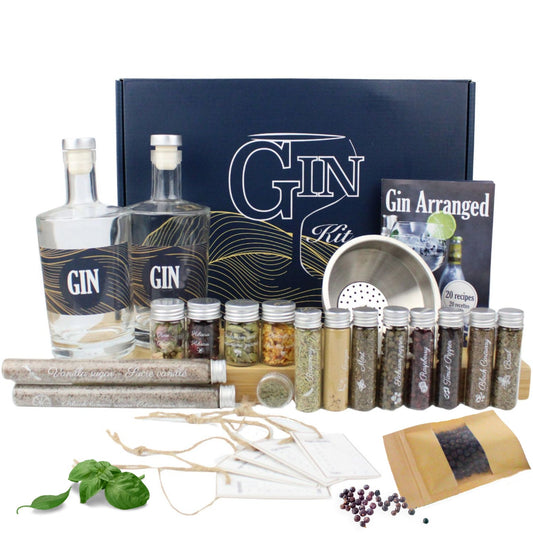
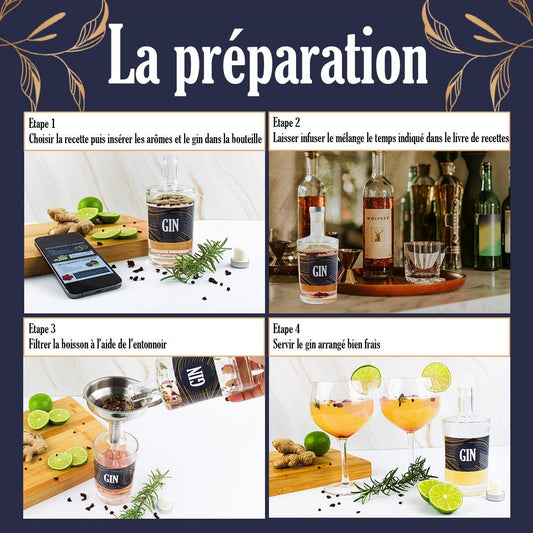
You now know the main stages of whisky production, from grain to glass. Whisky already offers an impressive range of aromas when enjoyed neat, but it can also be explored in more creative ways. With our Infused Whisky Preparation & Tasting Kit, you can experiment with selected spices and botanicals to personalise your whisky according to your own taste. It can also make an original gift for curious drinkers and whisky enthusiasts.