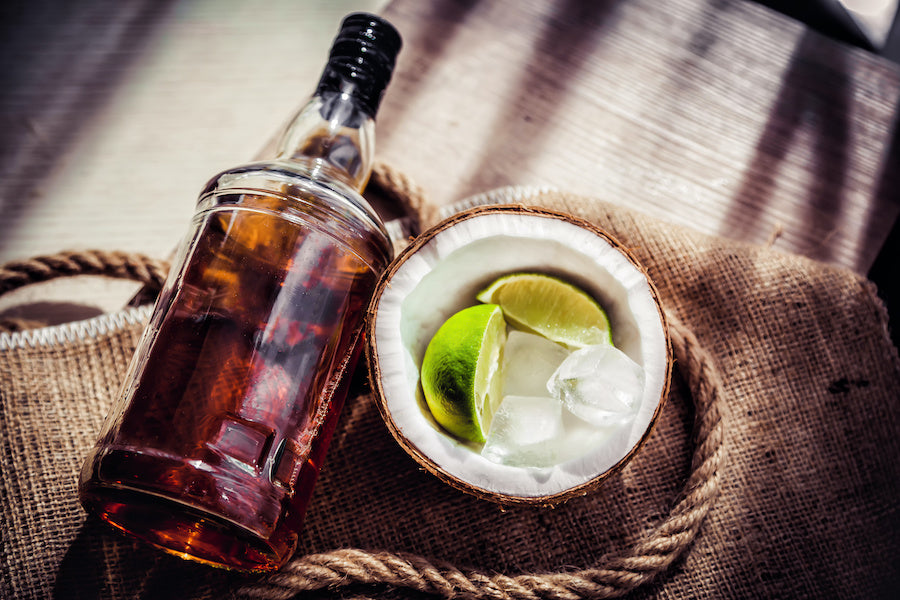
Rum is one of the most versatile spirits around. White rum, golden rum and aged rum differ not only in colour, but also in production, ageing and flavour profile. As a result, each style works differently in cocktails, tastings and homemade rum infusions. So which one should you choose? What exactly sets these types of rum apart, and which is best for infused rum? This guide explains the key differences.
What exactly is rum?
Rum is a spirit made from sugar cane products. Depending on the style and region, it may be produced from fresh sugar cane juice or molasses, which is fermented and then distilled. Rum has strong historical links with the Caribbean and is now produced in many parts of the world. Its flavour spectrum is remarkably broad, ranging from fresh, grassy notes to vanilla, spice, dried fruit and wood. Martinique is one of the most renowned rum-producing regions. There, Rhum Agricole can qualify for the protected AOC Martinique designation when it meets specific production requirements. This distinctive origin and production tradition have made Martinique an important reference in the world of rum. You can also discover our selection of the best rums in the world.
Which types of rum are best for cocktails and infused rum?
Several styles of rum can be used in cocktails and homemade infusions. The best known include white, golden and aged rum. Each has its own flavour profile and will influence the character of your creation in a different way. Here is a simple overview to help you choose the right rum:
-
White rum is ideal for fresh, lively drinks. It is a classic choice for Daiquiris, Mojitos and Ti’ Punch. Its often cleaner and more direct profile allows fruit, herbs and spices to stand out clearly.
-
Golden rum can bring vanilla, caramel and woody notes. This gives cocktails and infusions additional roundness and depth. It also works particularly well in drinks such as a Mai Tai.
-
Aged rum often offers a more complex aromatic profile. It can be enjoyed neat or used selectively in more elaborate cocktails and infusions, with additional ingredients kept subtle enough to preserve the rum’s own character.
What are the characteristics of white rum?
White rum is mainly defined by its clear appearance and usually fresh, lively profile. After distillation, it may be rested or aged for a period of time. Some white rums are also filtered after barrel ageing to remove colour. The exact production method depends on the style, producer and country of origin.
In terms of flavour, white rum can show notes of fresh sugar cane, fruit, citrus or vegetation. Rhum Agricole made from fresh sugar cane juice, for example, often has a particularly expressive grassy character. White rum is commonly used for Ti’ Punch, Mojitos and Daiquiris, and it is also an excellent base for rum infusions where fruit, herbs and spices are intended to remain prominent.
What makes golden rum different?
Golden or amber rum often sits somewhere between lighter white rum and longer-aged expressions in terms of flavour. Its colour and aromatic profile may come from time spent in wood. However, ageing periods and production methods vary between producers and regions, so there is no single worldwide rule requiring every golden rum to be aged for a specific length of time.
Contact with wood can contribute notes of vanilla, caramel, spice and toasted oak. This often gives golden rum a rounder and more complex profile than many white styles. It works well in both cocktails and homemade infusions with fruit and spices.
What is special about aged rum?
Aged rum spends a longer period in wooden casks and can develop a particularly complex aromatic profile as a result. Rules governing terms such as “vieux”, “aged” and other age-related designations vary by country and style, so a single minimum ageing period cannot be applied to every rum worldwide.
Depending on the cask, climate and ageing period, aromas can include dried fruit, spice, vanilla, cocoa, caramel and wood. Aged rum is often enjoyed neat, but it can also be used in selected cocktails or infused creations. Combined with ingredients from our Rum Spice Discovery Kit, it can produce particularly layered flavour combinations. With more complex aged rums, however, it is best to use fruit and spices sparingly so they do not overpower the spirit.

What is the best way to use and enjoy different types of rum?
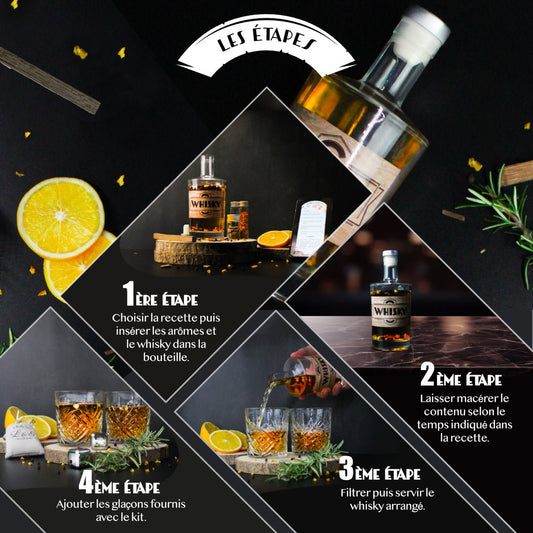
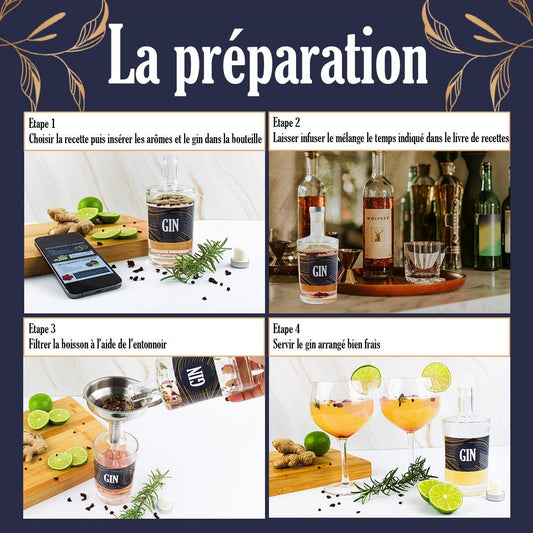
Wondering how to use white, golden or aged rum? There are plenty of options: enjoy it neat, use it in classic cocktails or turn it into a homemade infusion. Infused rum is particularly well suited to experimentation. Making your own infused rum involves steeping fruit, herbs or spices in rum for a period of time. Both the ingredients and infusion time can be adapted to your own preferences.
Vanilla, cinnamon, ginger, mango, pineapple and citrus peel are all popular choices. Taste the infusion regularly, as intense spices and citrus peel can release their flavours much more quickly than some other ingredients. This makes it easier to remove individual ingredients once the balance feels right.
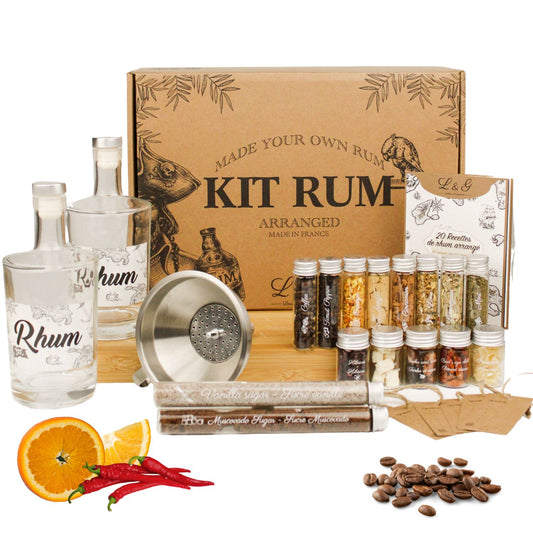
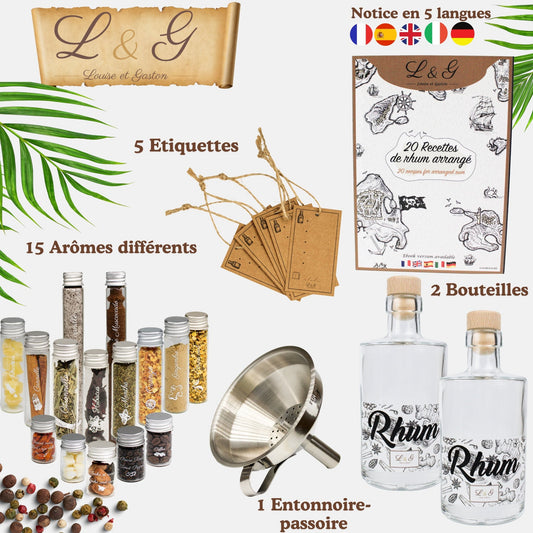
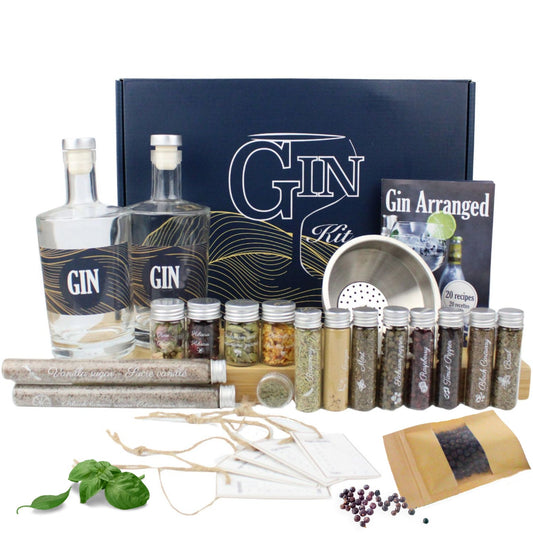
Would you like to make your own infused rum? A complete kit can make getting started much easier. Louise & Gaston kits include selected ingredients and practical accessories so you can experiment with your own combinations at home. An infused rum DIY kit also makes an original gift for anyone who enjoys discovering new flavours and creating something themselves.