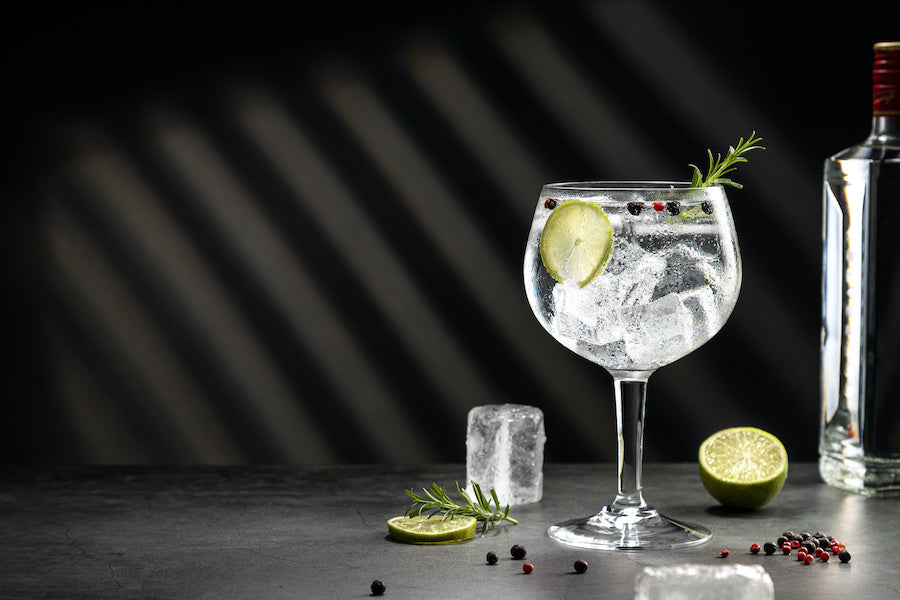
Gin is a refined and versatile spirit whose character comes from a blend of juniper berries, citrus peel, herbs and spices. Whether you have a craft bottle or a homemade infused gin, proper storage helps preserve its aromatic complexity for as long as possible. Light, heat, air and even the way you store your botanicals can affect its flavour over time. Louise & Gaston explains how to store your gin properly.
Why is proper gin storage important?
Unlike wine, gin does not continue to mature once the bottle has been sealed. It will not improve simply by being kept for longer. Poor storage conditions, however, can gradually alter its more delicate aromas. Light, high temperatures and, once the bottle is opened, increased contact with oxygen can cause subtle citrus, herbal and spicy notes to fade over time.
Whether you enjoy tasting gin or creating your own DIY infusions, suitable storage is important if you want to preserve its complex aromatic profile. This is especially true for homemade flavoured creations.
Choose the right place: cool and away from light
Direct sunlight is best avoided when storing gin. UV light and heat can gradually affect both the colour and flavour of the spirit. Ideally, keep your bottle in a closed cupboard, a dark shelf or another place protected from direct sunlight.
If you like displaying your bottles, choose a spot away from windows and direct sunlight. A glass cabinet will only provide additional UV protection if the glass is specifically designed to filter UV rays. A stable temperature is also important. A cool room without major temperature fluctuations is generally more suitable than a shelf beside a radiator, oven or sunny window.
Opened gin bottles: limit exposure to oxygen
Once a bottle of gin has been opened, more air enters the bottle. Over time, this can slowly change its aromatic profile. The lower the fill level and the longer the bottle remains open, the more noticeable this effect may become. A few simple habits can help limit it:
-
Always close the bottle tightly after pouring.
-
For craft or homemade flavoured gin, make sure you use a well-fitting, food-safe stopper or closure.
-
If only a small amount of gin remains in a large bottle and you plan to keep it for a long time, you can transfer it to a smaller clean glass bottle to reduce the amount of air inside.
An opened bottle of gin does not automatically become undrinkable after a few months when stored correctly. However, its quality and more delicate aromas may gradually fade. How quickly this happens depends on factors such as the fill level, the seal and the storage conditions.
Store gin botanicals separately
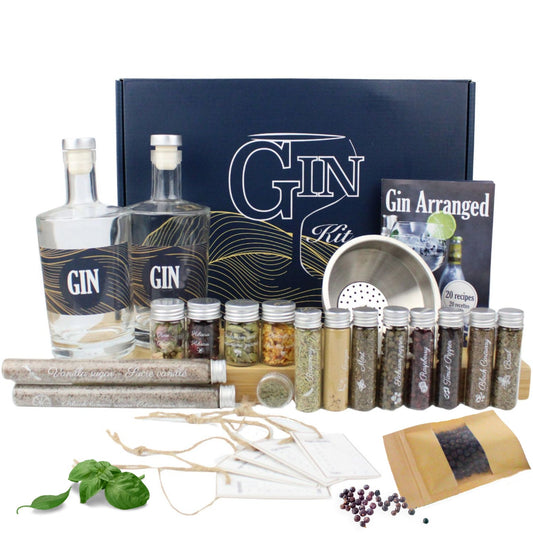
With our Homemade Gin Kit, you can explore your own combinations using spices, dried citrus fruits and flowers. To help these ingredients retain their aromas, they should also be stored properly:
-
Gin botanicals such as cardamom, berries, citrus peel and lavender should be kept in an airtight container, away from light and moisture.
-
Do not leave botanicals soaking in the gin indefinitely. An overly long infusion can make certain flavours excessively dominant or bitter.
-
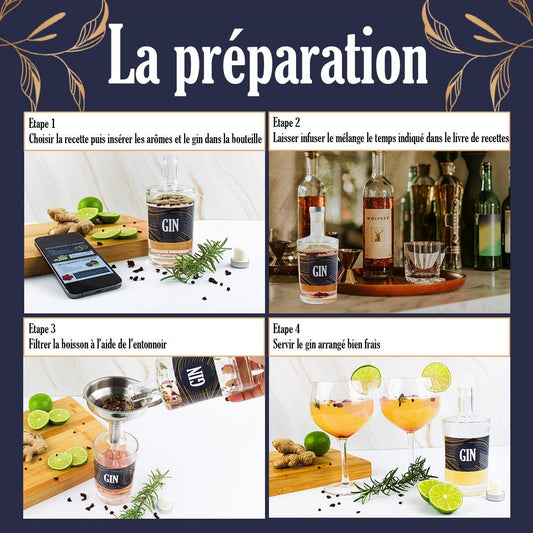
Taste your infusion regularly and filter out the botanicals once the desired intensity has been reached. Depending on the ingredient, this may take only a few hours or several days.
Our guide on how to flavour homemade gin with spices and herbs takes you through the process step by step.
Can you keep gin in the fridge or freezer?
Yes, gin can be chilled. Whether the fridge or freezer makes sense depends mainly on how you like to serve it:
-
Storing gin in the fridge: keeping the bottle chilled is convenient if you enjoy drinking your gin very cold or regularly use it in cocktails. For long-term storage, however, refrigeration is not essential for standard gin as long as the bottle is kept cool, dark and tightly sealed.
-
Storing gin in the freezer: many standard-strength gins will not freeze solid in a domestic freezer. Very low temperatures can, however, mute delicate aromas and may cause temporary cloudiness in some particularly oil-rich or heavily infused gins.
If you prefer your gin very cold, another simple option is to chill the glasses or place the bottle in the fridge for a while before serving.
What if your gin has lost some of its aroma?
If an older bottle tastes a little flatter than it once did, it does not necessarily need to be discarded, provided its appearance, smell and flavour remain normal. Here are a few ways to use it:
-
Experiment with spices or dried citrus peel to create a new aromatic profile.
-
Create a new infused gin with our Personalised Gin Spice Discovery Kit and try a different combination.
-
Use it in cooking, for example in marinades, sauces or for deglazing.
-
Use it in cocktails where other ingredients also play a major role in the flavour, such as punch or spritz-style drinks.
To explore the world of gin in more depth, read our guide on how to taste gin like an expert.
Well-stored gin: enjoy its aromas for longer
Whether you are already a spirits enthusiast or just beginning to explore the world of gin, proper storage helps preserve its aromatic profile for longer. Keeping bottles away from direct light, maintaining a stable temperature, using a tight-fitting closure and storing botanicals in dry, airtight containers are the key habits to remember for both bottled gin and your own homemade infusions.