
Gin may be best known as a cocktail base, but it has also found its place at the dining table. The spirit, whose history is closely linked to Dutch genever, offers plenty of exciting possibilities for food pairing thanks to its wide aromatic range. Much like wine, the botanicals in gin can be matched with specific ingredients and dishes to create balanced and original combinations. Whether you enjoy refined cuisine or are simply curious about new flavour experiences, pairing gin with food can be a fascinating sensory adventure. Here are some ideas to get you started.
Why pair gin with food?
Gin is defined by juniper as its key botanical, but it can also feature citrus fruit, spices, flowers, herbs and many other ingredients. Thanks to this aromatic diversity, gin can work well with both savoury and sweet dishes. Much like wine or whisky, a carefully chosen gin can complement, contrast or highlight particular flavours in a dish.
Serving gin with food can also offer a new way to experience familiar recipes. Whether a dish is spicy, fruity, herbal, fresh or rich, different styles of gin can create very different pairings. The key is to consider the gin’s botanicals and how they interact with the flavours on the plate.
The key principles of gin and food pairing
Gin is highly versatile, but a few simple guidelines can help you create more harmonious pairings. Here are the main principles to keep in mind:
-
Match the intensity of the flavours: a bold, spicy gin will often work better with an equally expressive dish than with very delicate flavours.
-
Look for complement or contrast: a floral gin can work beautifully with mild or creamy cheeses, while a spiced gin can provide an interesting contrast to a fruity dessert. The idea is either to echo existing flavours or deliberately create contrast.
-
Pair similar aromatic notes: if your gin contains botanicals such as cardamom, rosemary or citrus peel, dishes featuring similar ingredients can create a particularly harmonious match.
-
Think about serving temperature: depending on the pairing and your personal taste preferences, gin can be served lightly chilled or in a cocktail. Very low temperatures can, however, temporarily mute some of the more delicate aromas.
Inspiring gin and food pairings to try
Pairing gin with food is a little like composing a flavour melody: every aromatic note matters. To help you get started, here are a few ideas that showcase different gin styles from aperitif through to dessert. Feel free to adapt them to your own tastes.
-
Gin and appetisers: an aromatic start to the meal
Gin works particularly well at the beginning of a meal. Some interesting combinations include:
-
Oysters: serve with a little lemon zest and a gin with pronounced citrus or maritime notes.
-
Smoked salmon on toast: pair with a gin featuring botanicals such as pink peppercorn or dill-inspired notes.
-
Homemade pickles and tapas: ideal for playing with acidity, herbs and spice.
A citrus-forward gin flavoured with botanicals from the Louise & Gaston Personalised Gin Spice Discovery Kit can be a great choice for a relaxed and sociable aperitif.
-
Gin and main courses: refined flavour combinations
A carefully selected gin can also bring interesting aromatic accents to a main course. Here are a few combinations to try:
-
Steamed or parchment-baked white fish: try it with a gin featuring lemon, cucumber or delicate floral botanicals.
-
Roast chicken with herbs: a gin with rosemary, thyme or other herbal notes can echo the flavours of the dish beautifully.
-
Asian-inspired cuisine: ginger, coriander or wasabi in Thai- or Japanese-inspired dishes can pair well with a gin featuring citrus or gentle spice notes.
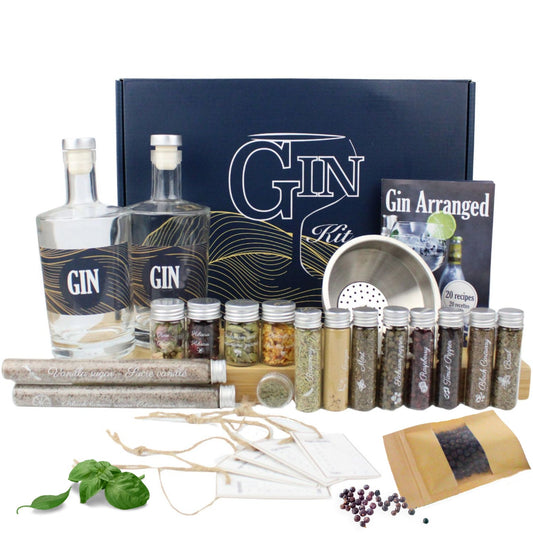
By flavouring a gin with fresh herbs or spices using the Louise & Gaston Gin Kit, you can create your own combinations and tailor the aromatic profile to your favourite dishes.
-
Gin and desserts: surprisingly sweet pairings
Gin can also create some delicious combinations with desserts.
-
Citrus tart: pairs especially well with a gin featuring lemon, orange or other bright citrus notes.
-
Gin-inspired tiramisu: a small amount of gin can be incorporated into a syrup or another aromatic element of the dessert.
-
Basil and lemon sorbet: fresh and aromatic, making it an interesting match for a herbaceous gin.
If you would like to explore the aromatic world of gin in more detail, read our guide on how to taste gin like an expert. It explains how to assess aroma, palate and finish more carefully, which can also help you understand food pairings more clearly.
Why not create your own flavoured gin for the perfect pairing?
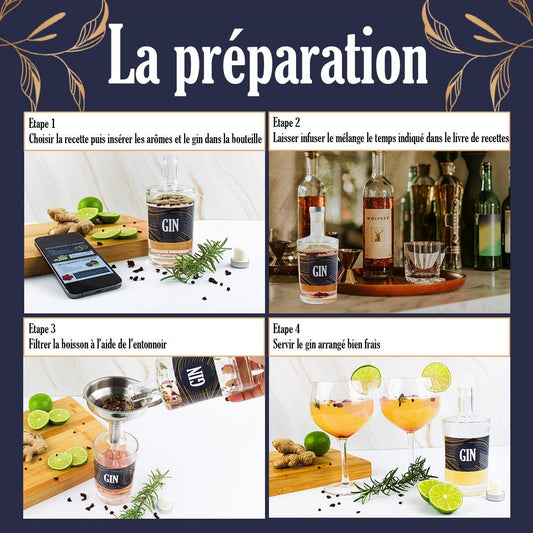
Want to make the experience even more creative? With our gin kits, you can flavour an existing gin with selected spices, herbs and other botanicals to develop your own aromatic profile. Depending on the Louise & Gaston kit, you may find:
-
selected ingredients and botanicals for your gin creations,
-
carefully prepared spice and botanical blends,
-
and practical tips for dosing, infusing, tasting and adjusting your creation.
This gives you the freedom to adapt your gin and food pairings to the dishes you enjoy most: a floral gin for brunch, a peppery gin for a spicy main course or a berry-forward variation for dessert. Experiment with different combinations and discover which botanicals work best with your cooking.